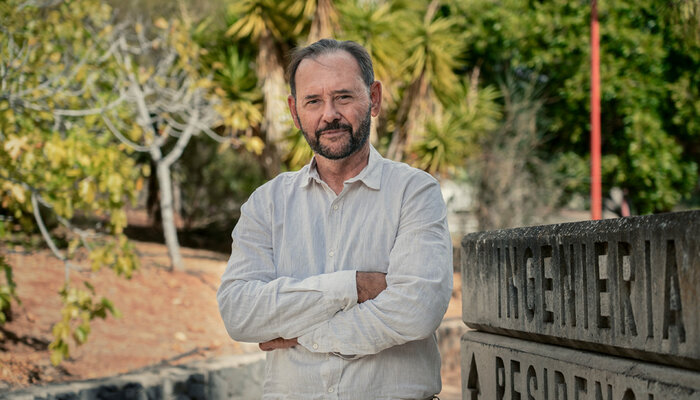
Glowing worlds
What happens when a new star forms over millions of years, only to fail to ignite in the end? Eduardo Martín describes the dramatic events behind the discovery of the first brown dwarf in the Pleiades and explains what are coffee dwarfs. He explains their connection with dark matter and life in the universe.
Listen to episode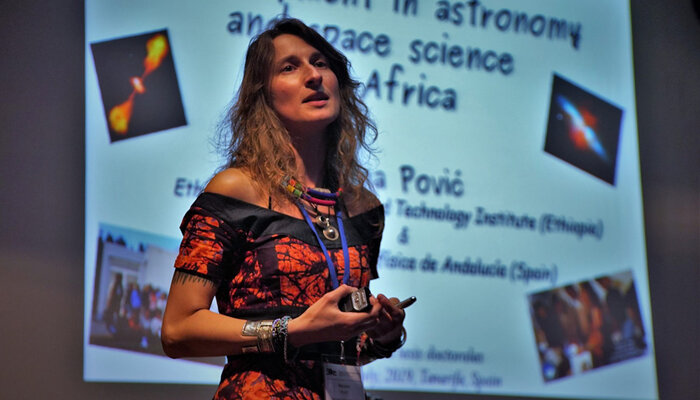
Under the same sky
Mirjana Pović lives in Ethiopia, where she uses astronomy to inspire children living on the streets, young people at the margins of society, and those living in conflict-affected areas to nurture their curiosity and continue their education. She places a strong emphasis on empowering women and girls.
Listen to episode
Little red dots
A few years ago, astronomers spotted small, extremely red, compact objects in images from the James Webb Space Telescope that they could not fit into any known category. Roberta Tripodi presents the latest findings on these mysterious little red dots.
Listen to episode
Space pirouettes
In the 50th episode of the podcast, we took a spin. Diego Godoy Rivera revealed that stars are true cosmic dancers. They all rotate around their own axes, performing their own pirouettes. And because they gradually slow down over time, we can use gyrochronology to determine their ages.
Listen to episode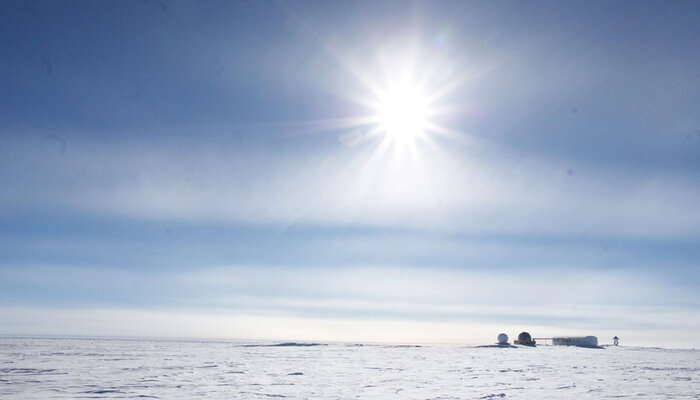
White Mars
What is it like to live on the White Mars? Daniele Tavagnacco has spent several frigid winters and endless summers at the Concordia research station in Antarctica. He describes the work of an astronomer at the Antarctic astronomical observatory and life at this remote outpost.
Listen to episode
Cool neighbours
Tom Bickle explains how each and every one of us can contribute to scientific discoveries. The Backyard Worlds citizen science project allows people to examine images of the sky and discover new objects in our cosmic neighborhood, including elusive brown dwarfs.
Listen to episode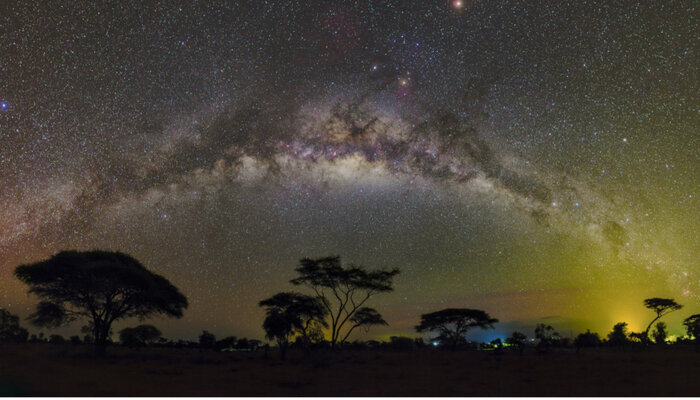
Stars without borders
With Professor Jarita Holbrook, we explored what people in African cultures see in the night sky. They told us how the sky was once used for calendars and navigation, the stories associated with the constellations, and how much of this knowledge has survived to the present day.
Listen to episode
The Solar System’s Oldest Treasures
Tania LePivert-Jolivet researches asteroid samples from sample-return missions. She explains that even five grams of asteroid dust can be a true treasure, that we know of several generations of asteroids, and that comets and asteroids are similar in some ways, yet different in others.
Listen to episode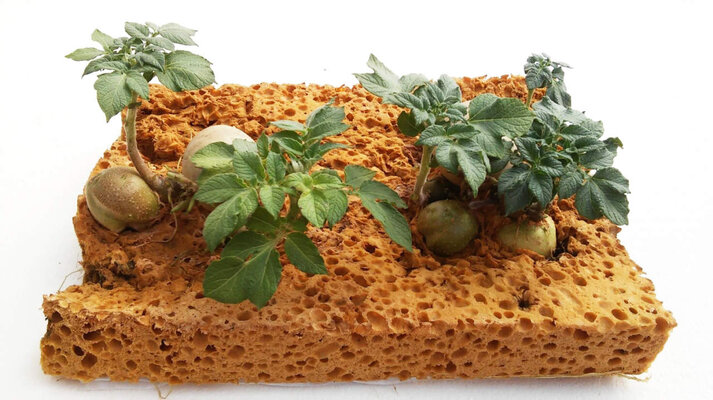
Space Gardening
Will astronauts really be growing—and eating—potatoes on Mars in the near future, just as Matt Damon did in The Martian? We spoke with Prof. Roberta Paradiso about growing and watering plants in microgravity, the importance of a balanced diet for astronauts, and the effects of extreme conditions on plants.
Listen to episode
In the shadow of the asteroid
Australian astronomer Dave Herald introduces us to asteroid occultations and their observations, which enable precise determinations of their orbits and shapes. We also discuss what observations of lunar occultations have revealed about the rotation of the Earth.
Listen to episode
Cavenauts - ESA CAVES in Slovenia
When astronauts take part in training in caves, they become cavenauts. An interview with Loredana Bessone, head of ESA’s CAVES and PANGEA astronaut training programmes, and karstologist Franci Gabrovšek, who is involved in the project.
Listen to episode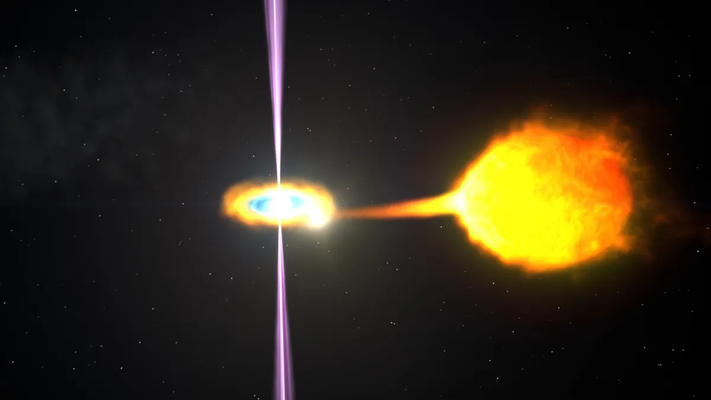
The wild Universe
Gabrijela Zaharijas, a professor at the University of Nova Gorica, takes us into the wild universe, among pulsars and neutron stars.
Listen to episode